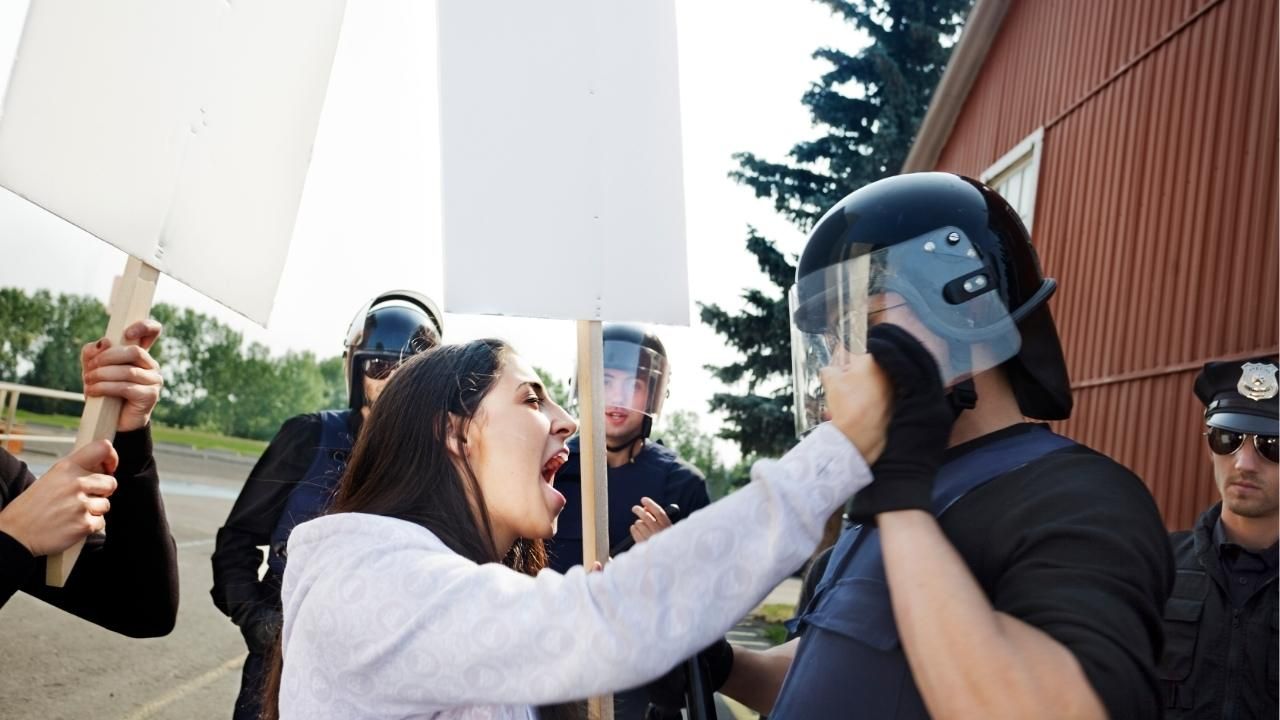
Can Police Arrest You for Protesting? What the Constitution Says
Peaceful protest is one of the most visible ways Americans speak out against injustice. From civil rights marches to modern social movements, public demonstrations have shaped the country’s history. But a common question still lingers: can police legally arrest you for protesting?
Understanding your rights can make the difference between exercising free speech confidently and unintentionally crossing a legal line. In this article, you’ll learn what the Constitution actually protects, when arrests can happen during protests, and what steps people can take if their rights are violated.
The First Amendment Protects Peaceful Protest
The First Amendment of the U.S. Constitution protects freedom of speech, freedom of assembly, and the right to petition the government. In simple terms, this means people generally have the legal right to gather peacefully and express their views in public spaces.
However, constitutional rights are not unlimited. Authorities can enforce reasonable restrictions on protests to maintain public safety and order. These rules typically involve:
Time restrictions (such as curfews)
Location restrictions (no blocking highways or private property)
Permit requirements for large gatherings
Noise regulations in residential areas
If participants follow these rules and remain peaceful, police usually cannot arrest people simply for protesting.
That said, disputes can still arise. In some situations, individuals may need help from a civil rights lawyer Victorville CA residents trust when they believe their constitutional rights were violated during a demonstration.
When Police Can Legally Make Arrests
While the right to protest is protected, certain behaviors during demonstrations can lead to lawful arrests.
Police may intervene if participants:
Block emergency services or traffic
Ignore lawful orders to disperse
Engage in violence or property damage
Trespass on private property
Incite riots or disorderly conduct
In these cases, arrests are typically based on actions, not the act of protesting itself.
For example, standing peacefully on a public sidewalk holding a sign is protected activity. But blocking an interstate highway or vandalizing property could result in charges.
Problems occur when enforcement goes too far or targets protesters unfairly. Allegations of police misconduct in Victorville CA have occasionally raised concerns about excessive force, unlawful detainment, or retaliation against demonstrators.
Your Rights During a Protest
Knowing your rights ahead of time can help you stay protected during a public demonstration.
Here are a few important guidelines:
You have the right to remain silent if questioned by police.
You can ask if you are free to leave if stopped by law enforcement.
You have the right to record police activity in public spaces.
You should not physically resist arrest, even if you believe it is unlawful.
If an arrest occurs, the legal process can later determine whether your rights were violated.
Many people seek guidance from a trusted attorney to evaluate whether their arrest involved constitutional violations or unlawful police behavior.
Case Study: When a Peaceful Protest Led to Legal Action
In 2022, a group of demonstrators gathered in a California city park to protest a proposed local ordinance. The protest began peacefully, with participants holding signs and giving speeches.
As the crowd grew, police ordered the group to disperse, claiming the gathering had exceeded the permitted size. Several protesters were arrested for failing to leave the area.
Later, civil rights attorneys reviewed video footage showing the crowd had remained peaceful and had not blocked roads or emergency services. The charges were eventually dismissed, and the city faced scrutiny over its enforcement decisions.
This case highlights an important reality: legal boundaries around protests can sometimes be disputed, and courts often play a key role in determining whether rights were violated.
Protecting Your Rights While Speaking Out
Peaceful protest remains a cornerstone of democracy in the United States. The Constitution protects your right to express opinions and assemble publicly, but local laws and police authority can still shape how protests unfold.
Understanding the rules, staying peaceful, and knowing your legal rights can help ensure your voice is heard without unnecessary legal trouble.
If you believe your rights were violated during a protest or arrest, get in touch with a qualified legal professional who can help you understand your options and determine the best path forward.