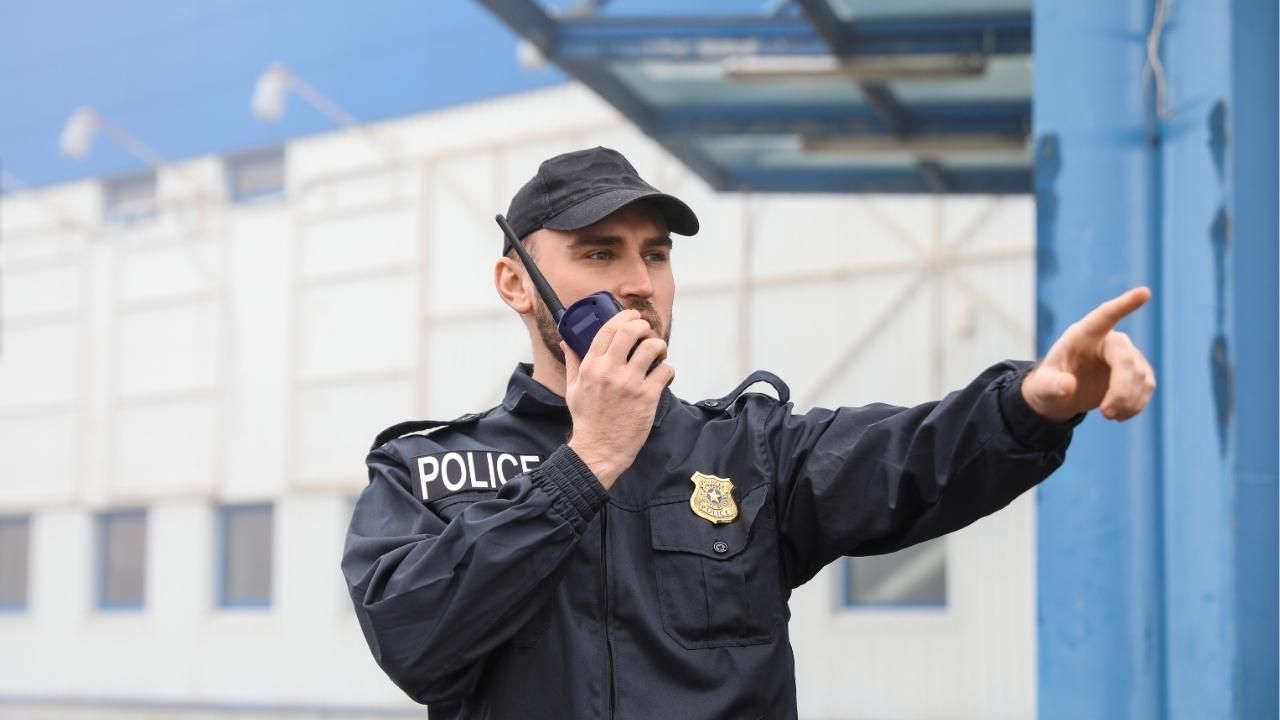
Can Police Stop You From Recording?
It happens fast. You pull out your phone to record a police interaction, and suddenly an officer tells you to stop. Now you're left wondering: are you actually breaking the law, or are your rights being challenged?
This article breaks down exactly when you can record police, what limits exist, and what to do if your rights are violated. If you've ever hesitated to hit “record,” this will clear things up.
Your Right to Record Police in Public
Let’s get straight to it, you generally can record police officers in public. Courts across the U.S. have consistently upheld this right under the First Amendment.
That means if you’re standing in a public space, like a sidewalk, park, or street, you are allowed to:
Record video and audio of police officers
Document arrests or interactions
Share that footage publicly
However, this right isn’t unlimited. Officers may still try to stop you, especially if they claim you’re interfering. This is where many cases involving police misconduct in Victorville CA start to take shape.
What Counts as “Interfering”?
Here’s where things get a bit nuanced. Police cannot stop you from recording just because they don’t like it, but they can step in if your actions interfere with their duties.
So what qualifies as interference?
Standing too close during an arrest
Physically blocking officers
Ignoring lawful orders to step back
Think of it this way: recording is allowed, but inserting yourself into the situation is not.
If an officer tells you to move, it’s usually smarter to comply while continuing to record from a safe distance. If your rights were violated, a Victorville civil rights attorney can help you sort that out later.
Can Police Take or Delete Your Footage?
This is a big one and the answer is no, not without proper legal authority.
Police officers generally cannot:
Confiscate your phone without a warrant
Demand to view your recordings
Delete any photos or videos
Doing any of the above may itself be a violation of your constitutional rights.
That said, if you’re arrested, your phone might be taken as evidence, but even then, they still need legal permission to access its contents.
What to Do If You’re Told to Stop Recording
Getting confronted by police is intimidating, no question. But how you respond matters.
Here’s a smart way to handle it:
Stay calm and avoid escalating the situation
Clearly state, “I am not interfering”
Continue recording from a safe distance
Do not physically resist if they try to detain you
If things go sideways, your recording could become critical evidence. And if your rights were violated, seeking Victorville legal help should be your next move.
Real-World Example: When Recording Made the Difference
A local resident in Southern California once recorded what appeared to be excessive force during a routine traffic stop. Initially, officers claimed the individual resisted arrest. But the bystander’s footage told a different story.
The video showed the suspect complying while officers escalated the situation. That recording became key evidence in court, ultimately leading to disciplinary action against the officers involved.
Without that footage, the outcome could have been very different.
Know Your Rights And Use Them Wisely
Recording police isn’t just legal, it can be a powerful tool for accountability. But like any right, it comes with responsibility.
Keep these key takeaways in mind:
You can record police in public spaces
Do not interfere with active police work
Officers cannot delete or seize your footage without cause
Always prioritize your safety
Understanding where the line is and staying on the right side of it can make all the difference.
Take Action If Your Rights Are Violated
If you believe your right to record was unlawfully restricted, don’t let it slide. Document everything, preserve your footage, and speak with a qualified legal professional who understands civil rights law.