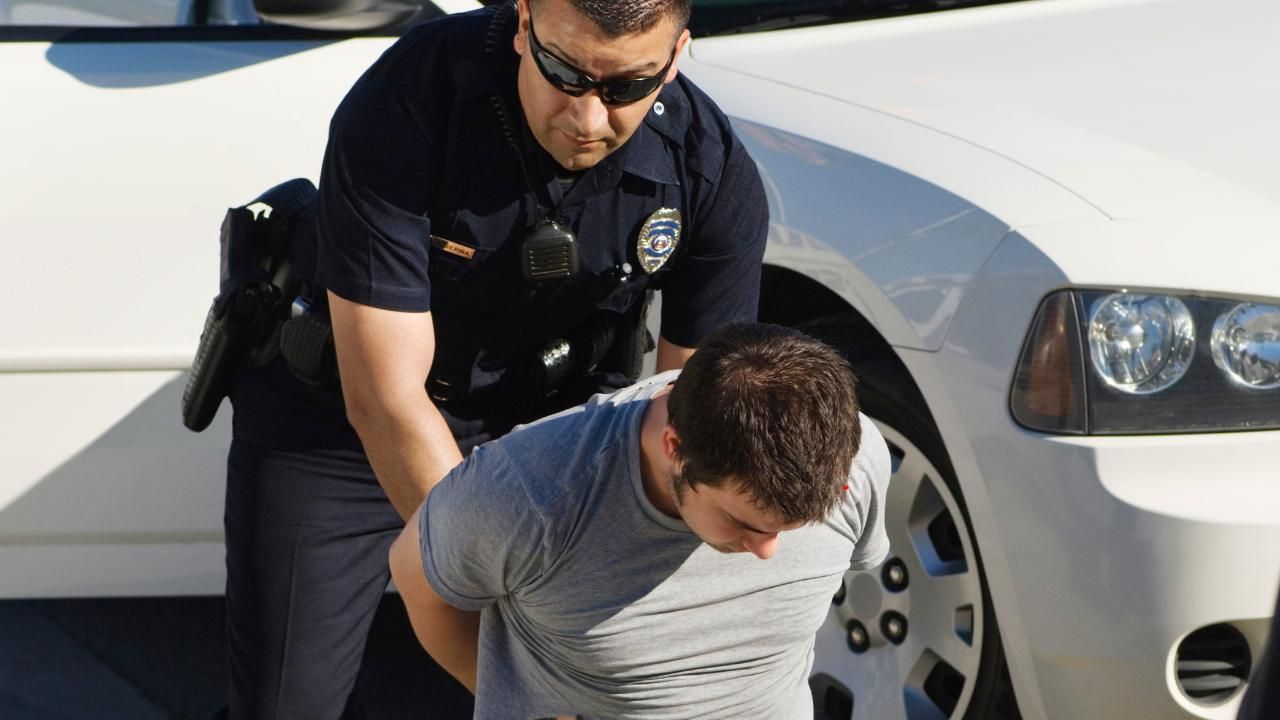
Deadly Force by Police: When Is It Justified?
Few topics spark as much debate as the use of deadly force by law enforcement. Every high-profile incident reignites questions about when it’s truly justified, and when it crosses the line. Understanding the laws that govern police conduct isn’t just important for officers; it’s vital for every citizen who wants to know their rights.
In this article, we’ll break down the legal standards for the use of deadly force, what courts consider “reasonable,” and what options you have if your rights are violated.
The Legal Standard for Deadly Force
In the United States, deadly force by police is permitted only when an officer reasonably believes it’s necessary to protect themselves or others from imminent danger of death or serious bodily harm. This principle comes from the 1985 Supreme Court case Tennessee v. Garner, which established that using deadly force to stop a fleeing suspect is unconstitutional unless that suspect poses a significant threat.
The key word is reasonable. Courts evaluate each case through the lens of what a reasonable officer would have done in that same situation, not with the benefit of hindsight. That means an officer’s perception of danger, even if mistaken, could still be considered lawful if it was reasonable under the circumstances.
What Counts as “Imminent Threat”?
An imminent threat doesn’t necessarily mean someone has already fired a weapon. It can include any situation where an officer believes a person is about to cause serious harm. Factors that are often weighed include:
Whether the suspect was armed or appeared to be
The level of resistance or aggression shown
The speed and escalation of the encounter
The availability of non-lethal alternatives
However, if officers use deadly force against someone who was unarmed or posed no real danger, their actions could violate constitutional protections under the Fourth Amendment, specifically, the right against unreasonable seizures.
Civil Rights and Police Accountability
When excessive force leads to injury or death, victims and families may seek justice through civil rights litigation. This is where a civil rights lawyer in Victorville CA can help guide clients through the complex process of proving misconduct and demanding accountability. Law firms such as the James S. Terrell Law Office represent individuals who believe their rights have been violated by police or other authorities, ensuring their voices are heard in court.
These cases can be challenging because officers are often shielded by a legal doctrine called qualified immunity. This protection means that unless the officer’s actions clearly violated established law, they may not be held personally liable. That’s why working with lawyers specializing in civil rights cases is crucial, they know how to navigate these hurdles, build compelling evidence, and argue for justice even in tough circumstances.
Case Study: When Bodycams Tell the Story
In one California case, an officer shot an unarmed man during a nighttime traffic stop, claiming the suspect reached for a weapon. However, body camera footage revealed the suspect’s hands were visible the entire time. The footage contradicted the officer’s report, leading to a civil lawsuit that resulted in a significant settlement for the victim’s family. This case underscored the importance of video evidence and public transparency in assessing whether deadly force is truly justified.
When to Seek Legal Help
If you or someone you know has been involved in an incident involving police force, even if no one was killed, it’s important to seek legal advice right away. Documentation, witness statements, and video evidence can fade or disappear quickly. A qualified civil rights attorney can help determine whether constitutional violations occurred and what steps you can take to pursue justice.
Final Thoughts
The question of when deadly force is justified will always be complex. But one thing is clear: accountability and awareness protect both officers and the public. By understanding your rights and the limits of police authority, you’re taking the first step toward ensuring that justice isn’t just a word, it’s a reality.
If you believe your rights were violated during a police encounter, don’t wait. Contact a trusted civil rights attorney today to discuss your case and explore your legal options.