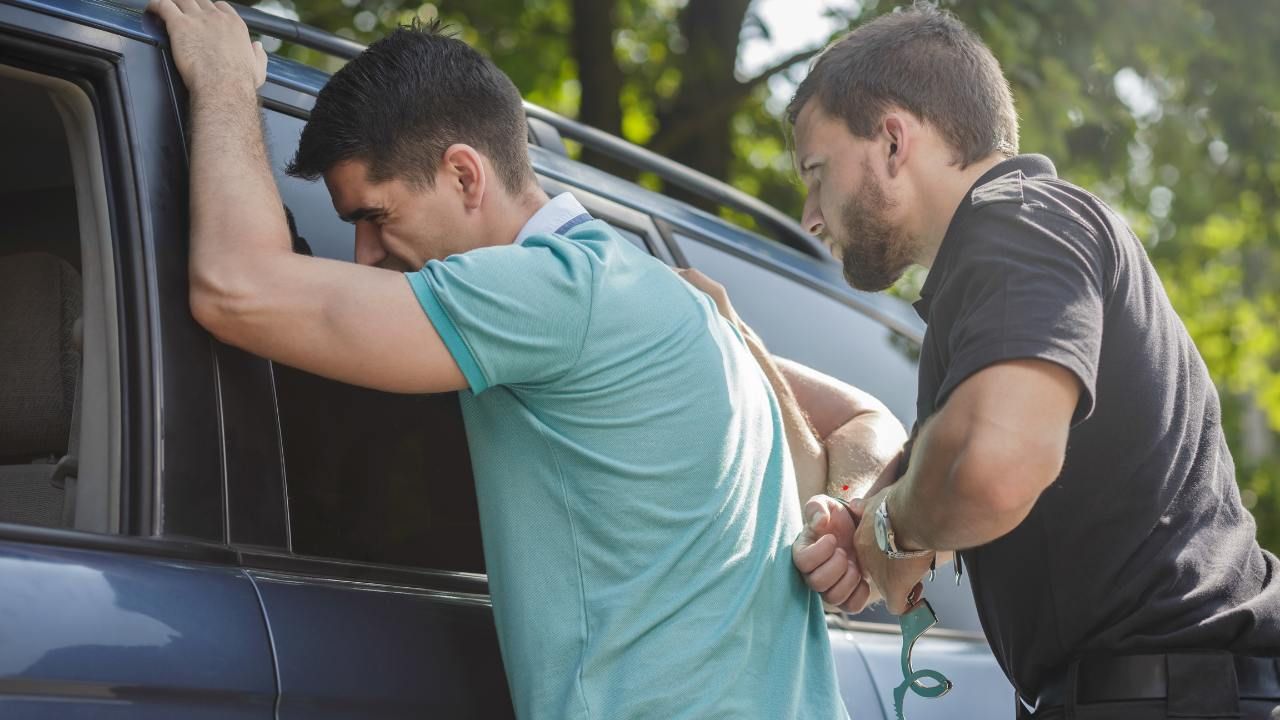
Excessive Force and Your Rights: A Guide for Victims
When a routine interaction with law enforcement turns violent, it’s hard to know where to turn. If you or someone you love has experienced excessive force by police officers, you may feel overwhelmed, intimidated, or even afraid to speak up. That’s where a civil rights attorney can make a difference, helping you understand your legal options and hold those in power accountable.
This guide is for residents of Victorville, CA, who want to know their rights, what excessive force looks like, and how to take action after a traumatic encounter with law enforcement.
What Counts as Excessive Force?
Excessive force isn’t just about physical injury, it’s about whether the police officer’s response was reasonable for the situation. Officers are allowed to use force, but only to the extent necessary to protect themselves or others and to enforce the law. When that threshold is crossed, it becomes a violation of your constitutional rights.
Here are examples that may qualify as excessive force:
Using a weapon when the suspect is unarmed and not resisting
Continuing to use force after a person is subdued or handcuffed
Unjustified use of tasers, pepper spray, or chokeholds
Beatings during routine stops or arrests
Even if there was no visible injury, if the officer’s actions were clearly disproportionate, you might have a case.
Know Your Rights During Police Encounters
Understanding your rights is the first line of defense. Here are key things every Victorville resident should remember:
You have the right to remain silent. You are not required to answer questions beyond identifying yourself.
You have the right to record. California law allows citizens to record public officials, including police, as long as it doesn't interfere with their duties.
You have the right to refuse consent to a search. Without a warrant or probable cause, you are not required to allow searches of your property.
You have the right to file a complaint. If you believe your rights were violated, you can report the incident to the local police department’s internal affairs unit or civilian oversight board.
These rights exist to protect you, not just in theory, but in practice.
What To Do If You’re a Victim of Excessive Force
If you’ve experienced excessive force, take these steps as soon as possible:
Seek medical attention. Even if injuries seem minor, having a medical record is critical for your case.
Document everything. Write down what happened, who was involved, time, place, and any witnesses.
Save evidence. This includes photos of injuries, torn clothing, and video footage (yours or others’).
File a report. Report the incident to the police department but consult an attorney before giving a detailed statement.
Contact a civil rights attorney. The sooner you get legal representation, the better your chances of building a strong case.
Case Study: Victorville Man Fights Back
In a 2023 case, a Victorville man was tackled during a routine traffic stop, suffering a fractured wrist. The officer claimed he resisted, but bodycam footage told a different story, showing him calmly complying before being assaulted. With the help of an experienced attorney, he filed a federal lawsuit and reached a substantial settlement. His case not only brought justice for himself but also triggered a review of local police protocols.
How an Attorney Can Help
The James S. Terrell Law Office specializes in helping victims of civil rights violations navigate the legal system. An attorney experienced in these cases can:
Determine if your rights were violated
Gather and preserve key evidence
File a lawsuit against the officer or department
Seek damages for pain, suffering, medical bills, and lost income
You don’t have to fight this battle alone. Legal support can make all the difference between being ignored and being heard.
Take the First Step Toward Justice
If you believe you’ve been a victim of excessive force by police officers, don’t wait. Contact a trusted California lawyer, document your experience, and stand up for your rights. Your voice matters, and holding law enforcement accountable helps protect others in your community, too.