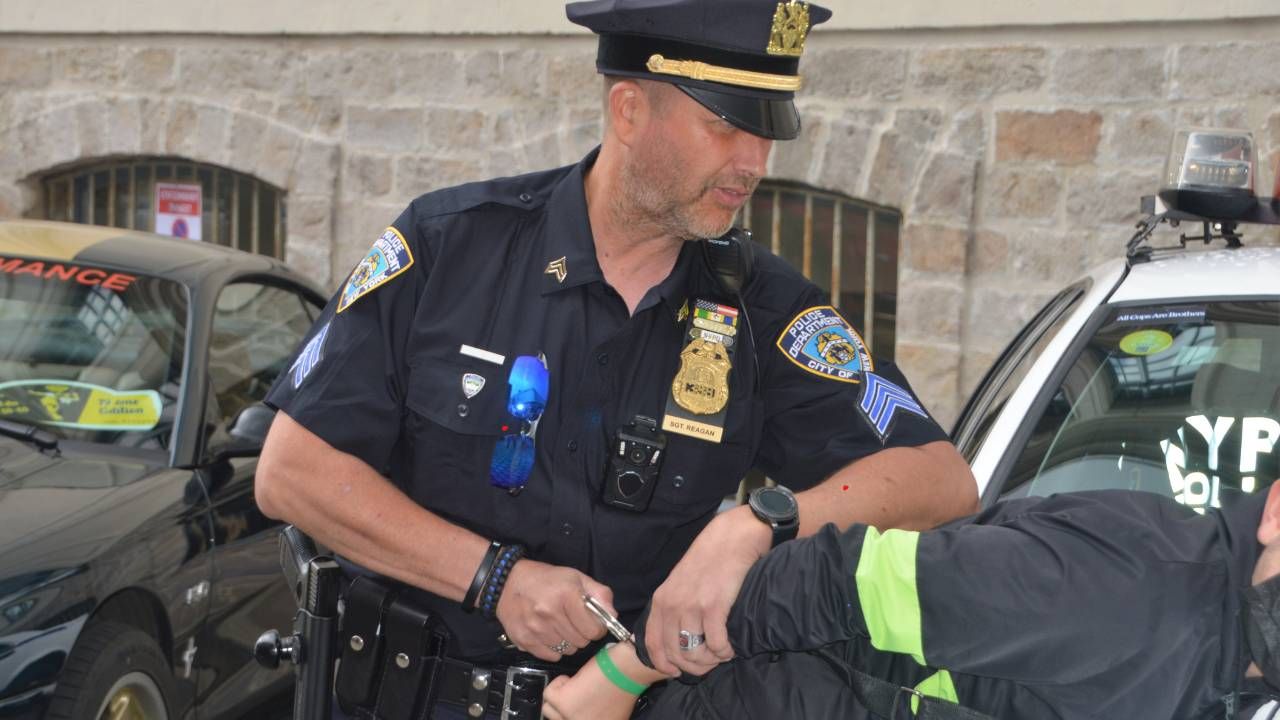
How Effective Are Body Cameras in Holding Police Accountable?
The rise of police body cameras was meant to be a game-changer, a tool to enhance transparency, protect civil rights, and hold law enforcement accountable. But do they actually work as intended? For many victims of police misconduct, body camera footage can serve as crucial evidence in the fight for justice.
A civil rights lawyer Victorville CA residents turn to for representation often relies on these recordings as critical evidence when building cases against alleged misconduct. However, as with any tool, its effectiveness depends on how it is used—or misused.
The Promise of Body Cameras
Body-worn cameras were introduced with high hopes. Advocates believed they would:
Deter misconduct by making officers aware that their actions are being recorded.
Provide objective evidence to support or challenge reports of excessive force.
Improve trust between police departments and the communities they serve.
And in some cases, they have lived up to this promise. Studies show that officers equipped with body cameras are less likely to use force, and citizens who know they are being recorded may also be more compliant. But this only tells part of the story.
The Reality: Do They Really Hold Officers Accountable?
While body cameras have helped expose wrongdoing, they are not a foolproof solution. Several key issues undermine their effectiveness:
Selective Recording & Footage Tampering
Officers often control when cameras are activated, leaving critical moments undocumented. There have also been cases where footage conveniently “goes missing” or is edited before being released.Department Policies on Footage Release
Even when footage exists, police departments may delay its release or refuse to share it with the public. In cases of police shootings or excessive force, families often have to fight for months, or even years, to obtain the evidence.Interpretation Challenges
Even clear footage doesn’t always guarantee justice. Courts and juries sometimes struggle to interpret what they see, especially if an officer claims they feared for their safety.
So while body cameras can be valuable tools, they are not a substitute for real accountability measures. Without strict policies on usage and transparency, they risk being more of a shield for officers than a safeguard for victims.
Case Study: When Body Camera Footage Made a Difference
In one widely publicized case, a man in California was stopped by police for a minor traffic violation. What should have been a routine encounter quickly escalated when the officer used excessive force, leaving the man hospitalized. Initially, the officer claimed he acted in self-defense. However, body camera footage told a different story.
The footage revealed that the man had fully complied with the officer’s orders before being forcefully thrown to the ground and struck multiple times. When the video became public, the officer’s justification fell apart. As a result:
The officer was placed on administrative leave and later fired.
The victim received a settlement for his injuries and emotional distress.
The case led to policy changes within the department to ensure stricter body camera usage guidelines.
This case highlights the power of body cameras when they work as intended. But it also raises an important question, how many incidents like this go unnoticed because the footage is never released?
What Needs to Change?
If body cameras are to fulfill their purpose, police departments must be held to higher standards. Some key reforms include:
Mandatory continuous recording for officers on duty to prevent selective activation.
Independent oversight to ensure footage is reviewed by impartial entities, not just police departments.
Automatic public release of footage in cases involving excessive force, especially when an officer's actions are in question.
Severe penalties for tampering with or failing to turn on cameras when required.
Without these safeguards, body cameras risk being more of a public relations tool than an instrument of justice.
Legal Help for Victims of Police Misconduct
If you or a loved one has experienced police misconduct, body camera footage may be key to proving your case. Our team has extensive experience handling civil rights cases in Victorville, CA, and we are committed to seeking justice for those who have been wronged.
The James S. Terrell Law Office is dedicated to ensuring that body camera footage isn’t ignored, contact us today to speak with a police misconduct attorney and learn how we can help. Your rights matter, and we are here to defend them.