Suing a Police Officer: Legal Process and Expected Timeline
When considering the option of suing a police officer for trespassing in California, it is important to understand the nuances of trespassing laws and the legal processes involved. This blog post provides a comprehensive overview of the steps to take if you believe a police officer has unlawfully entered your property.
Understanding Trespassing in California
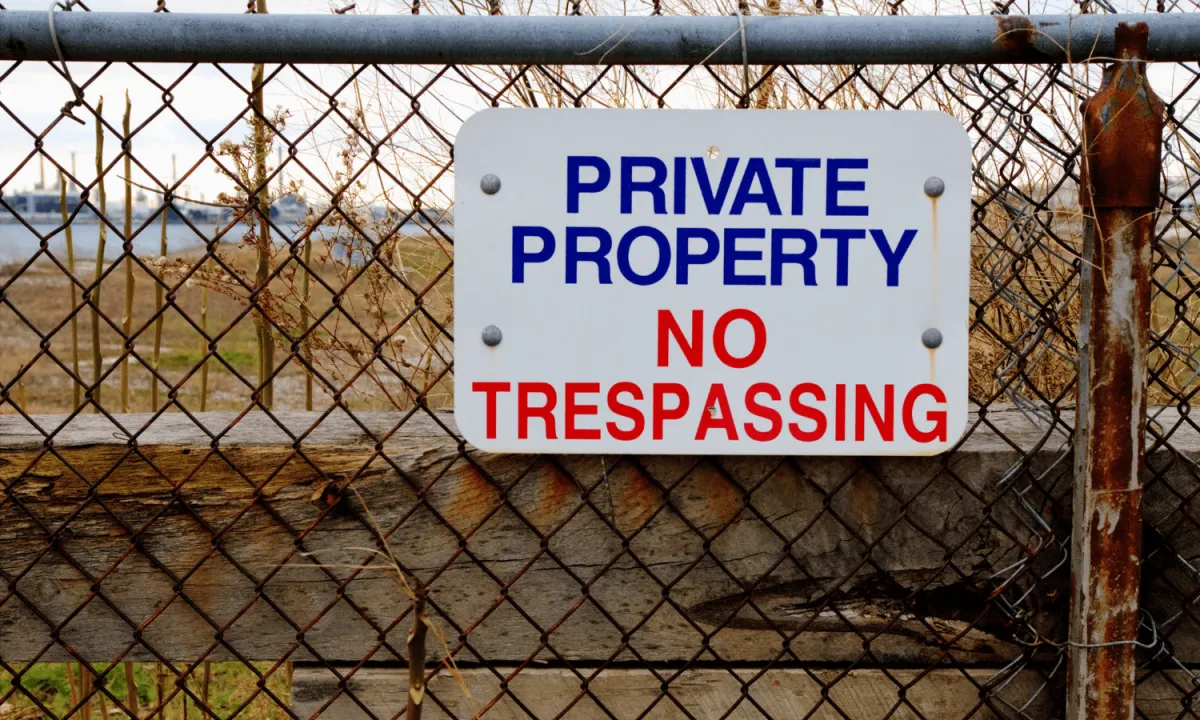
Trespassing is defined as the unauthorized entry onto someone else’s property. In Victorville, California, the law considers it a misdemeanor, which can result in fines or jail time for the offender. However, when a police officer trespasses, the implications are more complex due to their role in law enforcement and the protections afforded to them under the law.
When Police Overstep Their Authority
Police officers are granted certain powers to enter private property under specific circumstances, such as having a valid search warrant or exigent circumstances (e.g., chasing a suspect). However, if an officer enters your property without proper legal authority, it may be considered trespassing. Examples include:
Entering without a warrant and without permission.
Exceeding the scope of a warrant.
Using excessive force to enter a property without just cause.
Legal Requirements for Suing a Police Officer for Trespassing
Suing a police officer for trespassing involves a nuanced legal process. Here’s a breakdown of the requirements and steps:
1. Identify Grounds for the Lawsuit
To sue a police officer for trespassing, you must demonstrate that the officer entered your property unlawfully and without proper justification. You must show:
The officer did not have a valid warrant.
There was no immediate or urgent situation justifying the entry.
The entry violated your constitutional rights.
2. File a Government Claim
In California, before you can file a lawsuit against a public entity or employee, you must file a government claim. This is a prerequisite to suing a police officer and must be done within six months from the date of the incident. The claim should outline the facts of the case and the damages sought.
3. Gathering Evidence
Solid evidence is crucial in proving your case. Essential types of evidence include:
Witness statements from anyone who saw the trespassing incident.
Video or audio recordings capturing the officer's unlawful entry.
Photographs showing damage or other relevant details of the incident.
Official documents like the incident report, which may contain discrepancies or admissions.
4. Filing the Lawsuit
Once your government claim is either rejected or unresolved within 45 days, you can file a lawsuit. The suit should be filed in the appropriate California court, and it must detail the alleged trespassing, the legal basis for the claim, and the damages you are seeking.
5. Discovery Phase
During discovery, both parties exchange information and evidence. This phase is critical for building a strong case and may involve:
Interrogatories: Written questions that must be answered under oath.
Depositions: Oral questioning of the parties and witnesses under oath.
Requests for documents: Official requests to obtain relevant documents.
Expected Timeline
Initial claim filing: Within six months of the incident.
Government response: Up to 45 days.
Lawsuit filing: After the government claim process, typically within six months.
Discovery phase: Several months to a year.
Pre-trial and trial: Varies based on court schedules, typically 1-2 years.
Finding an Experienced Attorney
Hiring an attorney with expertise in civil rights and police misconduct cases is vital. Here are tips for finding the right legal representation:
Look for experience: Ensure the attorney has handled similar cases of police misconduct and trespassing.
Check references and reviews: Read reviews and ask for client references.
Evaluate communication: Choose an attorney who communicates clearly and keeps you informed.
Consult multiple lawyers: Meet with several attorneys to discuss your case and compare their approaches.
Importance of Acting Quickly
In California, there are strict deadlines for filing claims and lawsuits against government entities. Failing to act promptly can result in losing the right to pursue your case. Therefore, it’s crucial to:
File your initial government claim within six months.
Gather evidence and documentation immediately following the incident.
Seek legal counsel as soon as possible to ensure compliance with all legal requirements.
If you believe a police officer has unlawfully entered your property, it’s important to understand your rights and act quickly. Contact a qualified attorney in Victorville today to discuss your options and take the first step toward justice. Protect your rights and hold those in power accountable for their actions. Remember, the key to a successful case is timely action and effective legal representation.