What Does the First Amendment Protect?
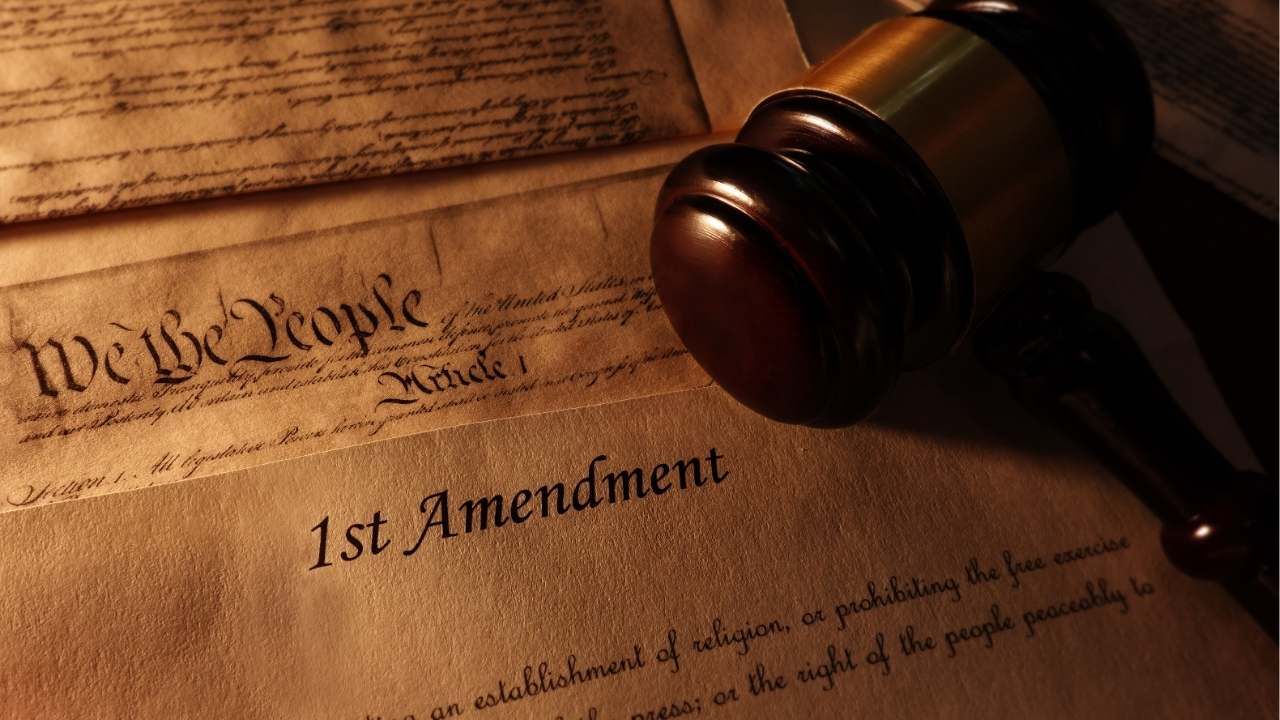
The First Amendment is one of the strongest shields Americans have against government overreach. It protects your right to speak, worship, protest, publish, and challenge authority without fear of punishment simply because the government dislikes your message.
In this article, you’ll learn what the First Amendment protects, where those protections have limits, and why these rights matter when people face retaliation, censorship, or abuse by public officials.
The Core Rights Protected by the First Amendment
The First Amendment protects five major freedoms: speech, religion, press, assembly, and petition. Together, these rights help people express ideas, question power, organize peacefully, and demand accountability.
Freedom of speech means the government generally cannot punish you for expressing your opinion. That includes spoken words, written statements, online posts, signs, symbolic expression, and peaceful criticism of public officials. This protection is especially important when people speak about police conduct, government misconduct, or civil rights violations.
Freedom of religion protects both the right to practice your faith and the right not to follow any religion. The government cannot create an official religion or unfairly target people because of their beliefs.
Freedom of the press protects journalists, publishers, and ordinary people who share information with the public. This helps expose misconduct and keeps communities informed.
Freedom of assembly gives people the right to gather peacefully for protests, meetings, marches, and public demonstrations. A person looking for a Victorville CA civil rights attorney may be dealing with a situation where public speech, protest activity, or government retaliation is involved.
What the First Amendment Does Not Protect
The First Amendment is powerful, but it is not unlimited. It does not protect true threats, incitement to immediate violence, harassment, perjury, certain forms of defamation, or speech that directly interferes with lawful government operations.
For example, you can criticize a police officer, record public officials in many public settings, and express frustration with government actions. But you cannot threaten violence, physically block emergency services, or resist lawful orders in a way that creates danger.
This balance matters. The law protects strong opinions, even unpopular ones, but it does not turn every action into protected speech. Courts often look at the facts: where the speech happened, what was said, how officials responded, and whether the government’s response was reasonable.
First Amendment Rights and Police Encounters
First Amendment issues often appear during police encounters, protests, arrests, and public meetings. People may claim their rights were violated if they were arrested for filming officers, removed from a public event for criticizing officials, or punished for speaking out against misconduct.
These cases can overlap with other civil rights claims, especially when there are allegations of excessive force by police officers in Victorville. A police officer cannot lawfully use force simply because someone criticized them, recorded them, or expressed an opinion. When force, arrest, or intimidation is used to silence protected speech, the situation may raise serious constitutional concerns.
Civil rights cases are often fact-heavy. Video footage, witness statements, police reports, body camera recordings, and timelines can all matter. That is why people often turn to civil rights lawsuits experts when they need help understanding whether a government official crossed the legal line.
Short Case Study: When Speech Leads to Retaliation
Imagine a resident attends a city meeting and criticizes local officials over poor neighborhood conditions. The comment is sharp but peaceful. After the meeting, an officer tells the person to leave the sidewalk even though others are allowed to remain. When the resident asks why, the officer threatens arrest. Later, the resident is cited for “disturbing the peace,” even though video shows no yelling, threats, or disruption. In a case like this, the issue is not whether officials liked the criticism. The real question is whether the government punished protected speech.
Why First Amendment Protection Still Matters
The First Amendment protects more than words. It protects the public’s ability to challenge authority, expose abuse, and push for change. Without it, people would have less power to question police conduct, criticize elected officials, report wrongdoing, or gather for peaceful causes.
These rights are most important when speech is uncomfortable, emotional, or unpopular. Easy speech rarely needs protection. Hard speech does.
When government officials punish people for speaking, recording, protesting, worshiping, reporting, or demanding answers, the First Amendment may provide a path toward accountability.
If you believe your speech, protest, recording, or right to challenge government action was punished, document everything and speak with a qualified civil rights lawyer before the details fade.