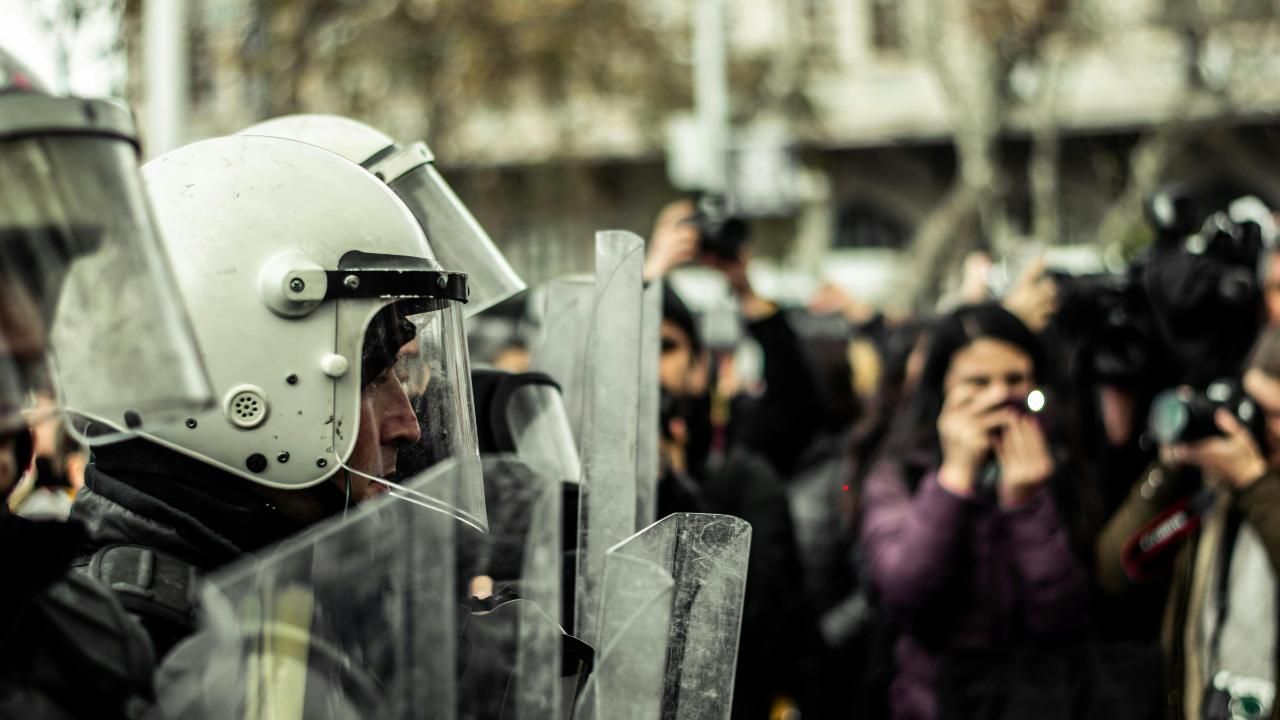
Your Right to Record the Police: Legal Dos and Don’ts
In today’s world, nearly everyone has a smartphone ready to capture what happens in real time. But when it comes to recording law enforcement, knowing your rights, and your limits, can make the difference between exercising your freedoms and facing legal trouble. Understanding where the law stands on this issue can protect you, your evidence, and your credibility.
If you ever face confusion about what’s legally allowed, speaking with a Victorville civil rights attorney from the James S. Terrell Law Office can help clarify your rights. Their experienced legal team often guides individuals on how to assert constitutional protections responsibly and safely.
Understanding Your Right to Record
The First Amendment protects your right to record public officials, including police officers, when they’re performing their duties in public spaces. This right has been upheld in several federal court rulings across the U.S. However, that protection isn’t absolute. It comes with boundaries meant to balance your freedom with an officer’s ability to do their job safely.
In simple terms: yes, you can record the police, as long as you’re not interfering. Interference can include stepping too close, shouting over officers, or ignoring lawful commands to move. Keep a reasonable distance and make it clear you’re documenting, not disrupting.
Know Where You Can and Cannot Record
Your right to record generally applies to public spaces; streets, sidewalks, and parks, where there’s no reasonable expectation of privacy. However, recording in private places like someone’s home or a restricted police area can cross into illegal territory.
Also, be mindful of two-party consent laws in some states. While California allows recording in public without consent, recording a private conversation (like a phone call or interrogation room) usually requires permission from all parties. Violating these laws could lead to criminal charges, even if your intentions were good.
Dos and Don’ts When Recording
DO:
Keep a safe distance and avoid obstructing police activity.
Hold your phone steady and clearly visible.
Announce calmly that you are recording, if appropriate.
Store recordings securely and back them up.
DON’T:
Touch or get too close to an officer or suspect.
Use your recording to taunt or provoke police.
Lie about your intentions.
Resist if an officer unlawfully tries to take your phone, calmly state your rights and comply for the moment.
What to Do If Police Order You to Stop Recording
Even though courts have recognized your right to record, not every officer will agree in the moment. If told to stop recording, stay calm. Ask, “Am I being detained, or am I free to go?” Do not argue or physically resist. If they seize your phone or delete footage, that may violate your rights, but the best way to handle that is through a legal channel, not confrontation.
Contact a civil rights lawyer as soon as possible. They can help determine if your rights were violated and what steps you can take to hold law enforcement accountable.
Case Study: Recording Gone Wrong
In 2022, a bystander in Southern California filmed an arrest from across the street. Although they stayed quiet and recorded from a safe distance, officers confiscated their phone, claiming “obstruction.” Later, with the help of a civil rights attorney, the individual filed a complaint. The video was retrieved, and the department issued new training guidelines on public recording. The outcome showed how lawful recording can ultimately lead to greater police accountability, when done correctly.
Final Thoughts
Recording the police is a powerful tool for transparency, but it comes with responsibility. Know your rights, stay calm, and always prioritize safety over confrontation. If you believe your right to record has been violated, don’t handle it alone. Seek legal guidance from professionals who understand the nuances of constitutional law and can protect your interests.
If you’ve had an encounter where your right to record the police was challenged, reach out to a trusted attorney for guidance. Protect your rights, protect your footage, and make sure your voice is heard.