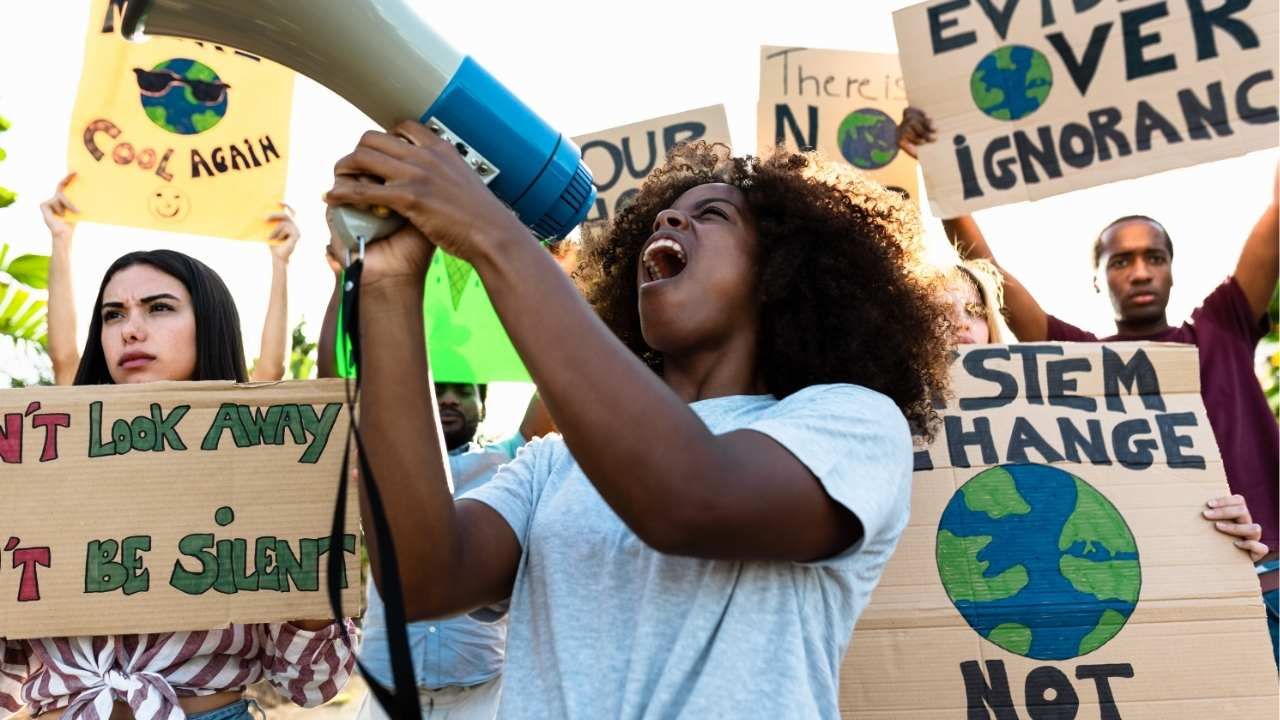
Your Rights During Protests and Public Demonstrations
When people gather to raise their voices, the stakes can feel high. Emotions run strong. Police presence increases. In those tense moments, knowing your rights isn’t just helpful, it’s essential.
If you’re planning to attend a protest or public demonstration, this guide will walk you through what the law protects, where limits exist, and what to do if your rights are challenged. If questions arise about how those rights apply locally, a Victorville civil rights attorney can help clarify your options. Many civil rights practice areas focus specifically on unlawful arrests, excessive force by police officers, and violations of free speech. A reputable Victorville CA law firm will often evaluate whether your constitutional protections were respected.
Let’s break down what you need to know before you step into a crowd.
The Foundation: Your First Amendment Rights
The U.S. Constitution protects your right to:
Speak freely
Assemble peacefully
Petition the government for change
Peaceful protests, whether in parks, sidewalks, or other public forums, are generally protected. That includes holding signs, chanting, marching, and distributing literature.
But here’s the reality: “peaceful” matters. Violence, property damage, or credible threats fall outside constitutional protection. If a demonstration turns destructive, law enforcement can intervene and order dispersal.
You do not lose your rights simply because you disagree with the government. Controversial speech is often the most protected speech.
Where Protests Can Happen (And Where They Can’t)
Public streets and sidewalks are traditional public forums. Government cannot ban speech there simply because it dislikes the message.
However, certain limits are legal:
Cities can require permits for large marches that block traffic
Restrictions can apply to time, place, and manner
Private property owners can prohibit demonstrations on their property
If law enforcement issues a lawful dispersal order, ignoring it can lead to arrest, even if the original protest was protected.
The key distinction is whether the restriction is content-neutral. Rules must apply equally to all viewpoints.
Interacting With Law Enforcement
Encounters with police are where many rights questions arise. Here’s what you should remember:
You have the right to remain silent.
You can ask if you are free to leave.
If detained, you may ask for an attorney.
You are not required to consent to a search unless officers have a warrant or legal justification.
Filming police in public is generally protected, as long as you are not interfering with their duties. Keep a reasonable distance and remain calm.
If you are arrested, do not resist physically, even if you believe the arrest is unjust. Disputes about legality are handled later in court, not on the street.
Case Study: When Rights Are Challenged
During a peaceful downtown rally, a participant named Marcus was filming police activity. Officers ordered the crowd to disperse after a small group began damaging property. Marcus complied and started to leave but was detained and charged with failure to disperse.
Video later showed he was moving away when ordered. His attorney argued that his First Amendment rights and due process protections were violated. The court dismissed the charges after reviewing footage that contradicted the arrest report.
The takeaway? Documentation matters. And timing matters. Rights exist, but asserting them effectively requires evidence and legal strategy.
Practical Steps Before Attending a Protest
Preparation reduces risk. Consider the following:
Know the event details and permit status
Bring identification
Charge your phone fully
Avoid carrying items that could be misinterpreted as weapons
Have emergency contact information written down
Dress comfortably and avoid confrontational behavior. Stay aware of your surroundings and exit routes.
If something goes wrong, write down details as soon as possible; names, badge numbers, witness information, and timeline of events.
When Legal Help Becomes Necessary
If you experience excessive force, wrongful arrest, or retaliation for protected speech, you may have grounds for legal action.
Common civil rights claims in protest situations include:
Unlawful detention
Excessive force
Retaliatory arrest
Suppression of free speech
These cases often depend on video evidence, witness statements, and whether law enforcement followed constitutional standards.
Time limits apply to civil rights lawsuits. Acting quickly protects your ability to seek accountability.
Know Your Power And Use It Wisely
Protests shape public policy. They influence change. But exercising your rights responsibly is just as important as asserting them.
Before you attend your next demonstration, educate yourself. Stay calm. Stay informed. And if your rights are violated, take action, because constitutional protections only matter when people are willing to defend them. If you believe your freedoms were compromised during a protest or public demonstration, contact us to discuss your situation and understand your legal options.